


How to Apply for Patta Chitta Online in Tamil Nadu: A Complete Step-by-Step Guide
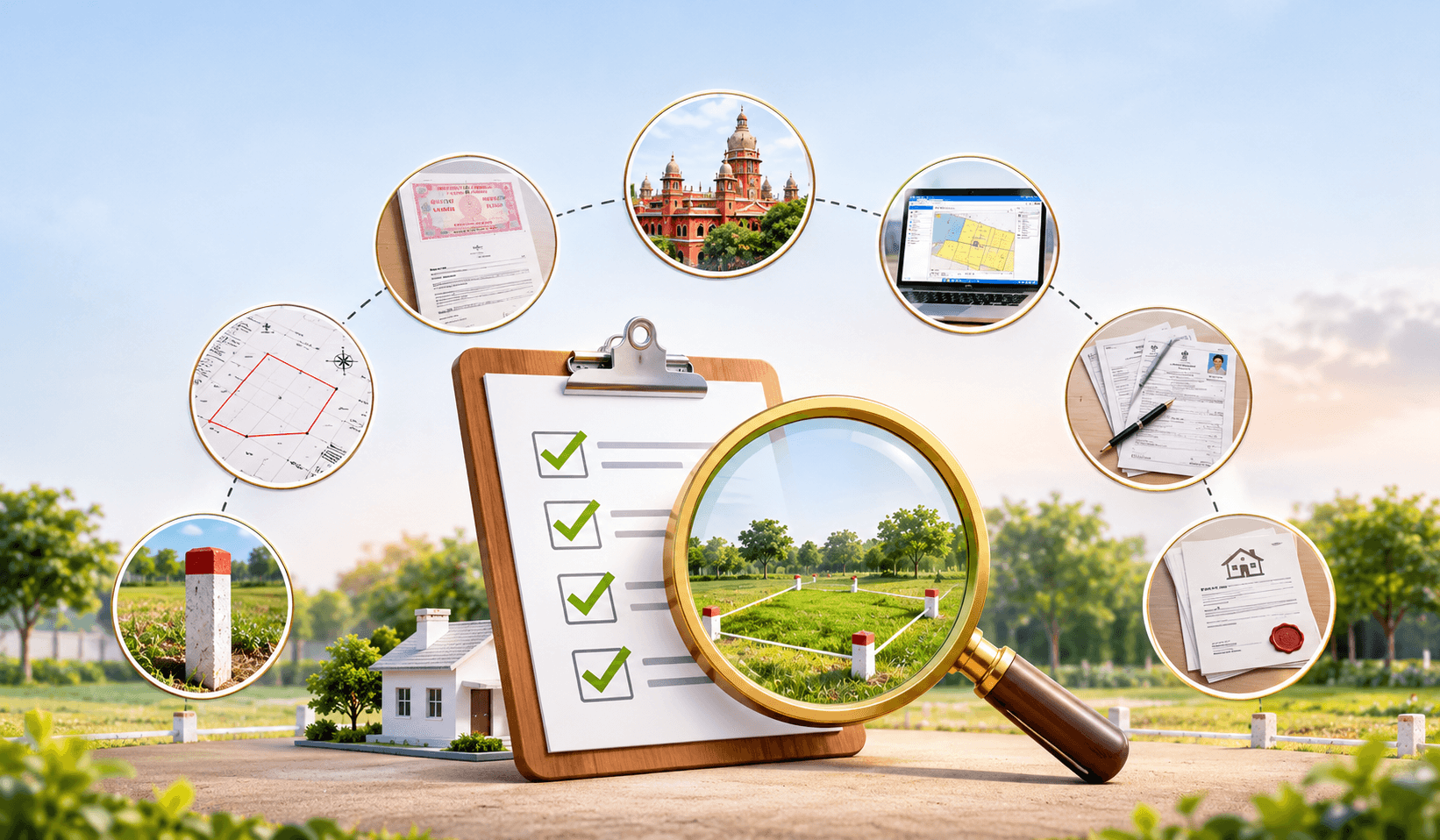
Buying land in Tamil Nadu is an important financial decision. Before purchasing a residential plot, buyers should verify the property’s land records, ownership details and relevant legal documents. One of the important records to check is Patta Chitta.
Patta Chitta helps landowners and property buyers review important land-related information, including the recorded landholder’s name, survey number, land extent and other applicable details. Checking these records can help identify discrepancies that may require clarification before completing a property purchase.
The Tamil Nadu Government provides online land-record services that allow users to access available property records without always having to visit a government office. These services are useful for checking existing records and, where applicable, applying for a Patta transfer.
Whether you are planning to build your dream home or invest in a residential plot, understanding how to check Patta Chitta and apply for a transfer can help you make a more informed decision.
In this guide, we explain what Patta Chitta means, how to check it online, how to apply for Patta transfer, which documents may be required and what to verify before buying land in Tamil Nadu.
Table of content
- What Is Patta Chitta?
- Why Is Patta Chitta Important When Buying Land?
- Types of Land Records in Tamil Nadu
- How to Check Patta Chitta Online in Tamil Nadu
- How to Apply for Patta Transfer Online
- Documents Required for Patta Transfer
- How to Check Patta Transfer Application Status
- Common Reasons for Patta Transfer Delays
- Common Mistakes to Avoid
- Important Checks Before Buying a Residential Plot
- Frequently Asked Questions
- Conclusion
What Is Patta Chitta?
Patta and Chitta are land-record terms used in Tamil Nadu. They are associated with landholding details and revenue records maintained by the state government.
Understanding these records is useful for landowners, property buyers and anyone planning to purchase a residential plot.
What Is Patta?
Patta is a revenue record associated with a landholding. Depending on the record, it may contain details such as:
- Name of the recorded landholder.
- Survey number and subdivision number.
- Extent of the land.
- Other relevant land-record information.
Buyers should compare the available Patta details with the sale deed and other property documents to check whether the information matches.
What Is Chitta?
Chitta is a traditional land revenue record associated with landholding and land classification, including wetland and dryland categories.
Land-record services have evolved as the Tamil Nadu Government has digitised its records. The information displayed may vary depending on the service used and the type of property.
What Is the Difference Between Patta and Chitta?
Patta is commonly associated with the recorded landholder and landholding details, while Chitta has traditionally been associated with land classification and related revenue information.
Important: Patta Chitta is an important part of land-record verification, but it should not be treated as the only proof of legal ownership. Buyers should also review the registered title documents and other applicable property records.
Why Is Patta Chitta Important When Buying Land?
Checking Patta Chitta is an important preliminary step when purchasing residential plots, agricultural land or other property in Tamil Nadu.
A property may have an attractive location, good road access and a reasonable price, but these factors alone do not confirm that its documentation is in order.
Reviewing the available land records can help buyers:
Verify the Recorded Landholder
Check the name appearing in the available land records and compare it with the seller’s details and relevant title documents.
Check Survey Numbers
Survey and subdivision numbers help identify a particular parcel of land. Make sure these details match the sale deed and other relevant records.
Understand Land Extent
Review the recorded extent of the land and compare it with the measurements mentioned in the property documents.
Review Land Classification
Available records may provide information about the land’s classification. This can help buyers identify details that may require further verification before purchasing a residential plot.
Identify Document Discrepancies
If the land records and sale deed contain different names, survey numbers or measurements, seek clarification before proceeding with the transaction.
Make a More Informed Purchase Decision
Checking land records alongside title documents and applicable approvals helps buyers develop a clearer understanding of the property.
Remember: Checking Patta Chitta is one step in property verification, not a substitute for a complete legal review.
Types of Land Records in Tamil Nadu
Apart from Patta Chitta, other land-related records may also be relevant when purchasing property.
A-Register
The A-Register contains revenue-related information about land, depending on the property and record available. It may include survey numbers, land extent and classification.
Field Measurement Book (FMB)
FMB records contain field measurement details relating to a land parcel. They can help buyers understand recorded measurements and boundaries where the relevant record is available.
Sale Deed
A sale deed is a registered document recording the transfer of property between the seller and buyer. It is an important document to review when verifying the seller’s claimed ownership.
Encumbrance Certificate (EC)
An Encumbrance Certificate provides information about registered transactions and encumbrances reflected in the registration records for the relevant property and search period.
An EC should be reviewed alongside title documents and other relevant records. It does not guarantee that every possible legal claim or dispute has been ruled out.
Approved Layout Plan
If you are purchasing a residential plot in a plotted development, review the applicable layout approval and approved plan.
Check whether the plot number, dimensions, road access and other relevant details match the approved layout.
Each document serves a different purpose. Reviewing them together provides a more comprehensive understanding of the property than checking a single record alone.
How to Check Patta Chitta Online in Tamil Nadu
Landowners and prospective buyers can use the Tamil Nadu Government’s official land-records service to view available records.
Official portal:[ Tamil Nadu Land Records e-Services](https://eservices.tn.gov.in/eservicesnew/home.html)
The available options may vary depending on the land type, location and service selected.
Step 1: Open the Official Land-Records Portal
Visit the official Tamil Nadu land-records e-Services website.
Look for the relevant option to view Patta, Chitta, FMB, A-Register or other available land records.
Step 2: Select the Appropriate Land-Record Service
Choose the service that matches the information you want to access.
Depending on the property’s location and the options displayed, you may need to select a rural or urban land-record service.
Make sure you select the correct record category before entering the property details.
Step 3: Enter the Property Location
Provide the location details requested by the portal.
These may include:
- District.
- Taluk.
- Village.
- Town, block or ward, where applicable.
The required information depends on the selected service and the property’s location.
Step 4: Enter the Survey Number
Enter the survey number and subdivision number, where required.
Check these details against the sale deed or other available property documents before submitting the information.
Step 5: Complete Any Required Verification
Follow the verification instructions displayed by the portal.
If an OTP or other verification information is requested, complete the required steps.
Step 6: View the Available Land Records
After submitting the information, review the record displayed by the system.
Depending on the service, the available information may include the recorded landholder’s name, survey details, land extent and other applicable details.
Step 7: Save a Copy for Reference
If a download or print option is available, save a copy for future reference.
Compare the available information with the property’s sale deed, parent documents and other relevant records.
If you notice differences, seek clarification before proceeding with a purchase.
Important: Use the official government portal and follow its current instructions, as online services and menus may change.
How to Apply for Patta Transfer Online in Tamil Nadu
Checking an existing Patta and applying for a Patta transfer are two different processes.
Checking Patta means viewing available land-record information. A Patta transfer involves applying to update the recorded landholding details following an eligible transaction or change.
A transfer may be relevant after a registered sale, inheritance or another qualifying change. The process depends on the property and the nature of the application.
Step 1: Keep the Required Property Documents Ready
Before applying, gather the relevant documents for the transaction.
These may include the registered sale deed, existing land-record details and other supporting documents requested for your particular application.
Step 2: Access the Official Patta-Transfer Service
Visit the relevant Tamil Nadu Government service.
You can start by checking the Tamil Nilam Citizen Portal for applicable Patta-transfer services.
Review the current instructions before starting your application.
Step 3: Choose the Appropriate Transfer Category
The application category may depend on whether the transfer involves an existing holding, joint ownership or a change requiring subdivision.
Select the category that matches your circumstances.
Step 4: Enter the Applicant and Property Details
Provide the information requested by the application system.
This may include the applicant’s details, property location, survey number, subdivision number and other relevant particulars.
Check all entries carefully before proceeding, as incorrect information may lead to delays or a request for clarification.
Step 5: Submit the Supporting Documents
Upload or submit the documents requested by the service.
Depending on the case, these may include the registered sale deed, existing land-record information and other supporting documents.
Make sure the uploaded copies are readable and the details are consistent.
Step 6: Complete the Application Submission
Follow the instructions displayed by the portal and pay any applicable fee, if required.
After submitting the application, save the acknowledgement number or receipt for future reference.
Step 7: Track the Application
Use the relevant official status-checking service or the application reference details to follow the progress of your application.
Additional scrutiny or field verification may be required, depending on the circumstances.
Step 8: Verify the Updated Land Record
Once the application has been processed, check the updated record to confirm that the details are correct.
If the application is rejected, delayed or requires clarification, follow the instructions provided by the authority and contact the relevant revenue office if necessary.
Note: Processing requirements and timelines may vary depending on the application type, document completeness and whether subdivision or additional verification is required.
Documents Required for Patta Transfer
The documents required for a Patta transfer depend on the property, the type of transfer and the circumstances of the application.
Commonly relevant documents may include:
- Registered sale deed or another applicable title document.
- Existing Patta or available land-record details.
- Survey number and subdivision information.
- Applicant identification details requested by the authority.
- Inheritance or legal-heir documents, where applicable.
- Other supporting documents requested during verification.
Tips for Preparing Your Documents
Before applying, check that the property details are consistent across the available documents.
Keep readable copies ready if the application requires uploads. Make sure the survey number, subdivision details and applicant information are entered correctly.
Do not assume that every Patta-transfer application requires the same documents. Check the current requirements for your particular application before submitting it.
How to Check Patta Transfer Application Status
After submitting an application, keep the acknowledgement number or application reference details safe.
You can generally follow these steps to check the status:
- Open the relevant official application-status service.
- Select the appropriate status-checking option.
- Enter the acknowledgement number or other requested details.
- Review the current application status.
- Follow any additional instructions displayed.
- Contact the relevant revenue office if the application requires clarification or appears delayed.
If the application is approved, review the updated land record carefully to make sure the information is correct.
If the application is pending, additional scrutiny or field verification may be required, depending on the circumstances.
Common Reasons for Patta Transfer Delays
A Patta-transfer application may take longer if some information needs further review.
Incorrect Property Details
A mismatch in the survey number, subdivision number or property extent may require clarification.
Incomplete Documents
Missing or unclear supporting documents may require the applicant to provide additional information.
Differences in Existing Records
If the application information does not match the existing land records, further verification may be necessary.
Additional Verification
Some applications may require additional scrutiny or field verification by the relevant authority.
Incorrect Application Category
Choosing an unsuitable transfer category may create the need for correction or resubmission.
To reduce avoidable delays, review your application carefully and submit the documents requested for your particular case.
Common Mistakes to Avoid
When checking Patta Chitta or applying for a Patta transfer, avoid these common mistakes.
Entering the Wrong Survey Number
Even a small error in the survey number or subdivision number can lead to incorrect search results or application details.
Ignoring Differences Between Documents
If the name, land extent or survey details differ between records, clarify the discrepancy before proceeding with the transaction.
Treating Patta as the Only Ownership Document
Patta is an important revenue record, but it should not replace a proper review of registered title documents and other applicable records.
Submitting Incomplete Documents
Review the application requirements and make sure the required supporting documents are included.
Choosing the Wrong Transfer Type
Understand whether your application requires a transfer, joint-holding update or a process involving subdivision, where applicable.
Failing to Track the Application
Keep the acknowledgement details and check the application status when necessary.
Not Checking the Updated Record
After the transfer is processed, verify that the updated details match the information in your supporting documents.
If you identify a discrepancy, contact the relevant revenue authority and seek professional legal advice when necessary.
Important Checks Before Buying a Residential Plot
Patta Chitta is one part of the property verification process. Before purchasing a residential plot in Tamil Nadu, buyers should review the available documents and property details carefully.
Verify the Property Title Documents
Review the registered sale deed and relevant parent documents to understand the ownership history.
Seek professional assistance if you are unsure about the seller’s ownership rights or the legal status of the property.
Compare Survey and Land Details
Check whether the survey number, subdivision number and land extent match across the relevant records.
Review the Encumbrance Certificate
Examine the available registration details for the relevant period and understand what the certificate does and does not establish.
Check Layout Approval, Where Applicable
For a plotted development, review the applicable layout approval and related documents.
Do not rely only on marketing information when assessing a property’s status.
Verify Road Access and Boundaries
Inspect the plot and compare the physical boundaries with the available survey and layout records.
Clarify any uncertainty about legal road access before completing the purchase.
Clarify Differences Before Paying
If any document contains inconsistent details, seek clarification before making a final commitment or completing the purchase.
Seek Professional Guidance When Needed
Property documentation can vary from one transaction to another. A qualified property lawyer or the relevant government authority can help clarify questions about the documents and process.
Taking these steps helps buyers evaluate the property more comprehensively instead of relying on Patta Chitta alone.
Frequently Asked Questions
How can I check Patta Chitta online in Tamil Nadu?
Visit the official Tamil Nadu land-records portal, select the relevant service and enter the property details requested by the system. Review the available record and compare it with the property’s other documents.
Can I apply for Patta transfer online?
Yes. Online Patta-transfer services are available for applicable cases. The process and required documents depend on the type of transfer and the property details.
What is the difference between checking Patta and transferring Patta?
Checking Patta means viewing existing land-record information. A Patta transfer involves applying to update the recorded landholding details after an eligible transaction or change.
Is Patta enough to confirm legal ownership?
No. Patta is an important revenue record, but buyers should also verify registered title documents, relevant ownership history and other applicable property records.
What documents may be required for Patta transfer?
Depending on the application, documents may include the registered sale deed, existing land-record details, survey information and other supporting documents requested by the authority.
How can I check my Patta-transfer application status?
Keep your application acknowledgement number and use the relevant official status-checking service to review the progress of your application.
What should I do if my Patta details are incorrect?
Compare the information with your supporting property documents and contact the relevant revenue authority for guidance on the correction process.
Does every Patta-transfer application follow the same process?
No. The process may vary depending on the property, the nature of the transfer and whether additional verification or subdivision is required.
Why should I check Patta Chitta before buying land?
Checking Patta Chitta helps you review recorded land details and compare them with other property documents before making a purchase decision.
Conclusion
Checking Patta Chitta and verifying property documents are essential steps before buying a residential plot in Tamil Nadu. From sale deeds and parent documents to Encumbrance Certificates (EC), Patta records and applicable layout approvals, every document plays an important role in verifying the property’s details and making an informed purchase decision.
At Sameera Groups, we prioritise transparency and help our customers make confident property-buying decisions by providing the relevant land documents and applicable approval details for our projects. We provide documents such as sale deeds, parent documents, Encumbrance Certificates (EC), Patta details and approved layout plans, wherever applicable, so buyers can review the property’s documentation before proceeding with their purchase.
When you choose a residential plot from Sameera Groups, you can enquire about the relevant property documents and approvals and verify the details before making your investment. We believe that transparent documentation and proper verification are important steps towards a more secure and confident property-buying experience.
Planning to buy a residential plot in Tamil Nadu? Visit www.sameeragroups.com to explore our projects, learn more about our available plots and connect with our team to enquire about the relevant property documents and approvals.
Choose Sameera Groups for a transparent property-buying experience and take the next step towards your dream home with greater confidence.
Recent Posts

Why Tirunelveli Is Emerging as a Promising Tier-2 Real Estate Destination in Tamil Nadu

Why Are Bangalore Property Buyers Choosing Hosur for Real Estate Investment?

Online Property Registration in Tamil Nadu: A Simple Guide for First-Time Buyers

Do not buy a Plot Until You Can Answer These 12 Questions

Does Road Width Really Affect Plot Value?

The 10-Minute Radius Method for Choosing a Property
Want to know more?
Feel free to contact with us


Quick Links
Business Verticals
Our Projects

Residential Plots
- Plots in Chennai
- Plots in Chengalpattu
- Plots in Hosur
- Plots in Kodaikanal
- Plots in Tirunelveli
- Plots in Trichy
- Plots in Vellore
- Plots in East Tambaram
- Plots in Sunguvarchathram
- Plots in Walajapet
Villas
© 2026 SAMEERA All rights reserved.
Privacy Policy